
Social trading
Evolution of Social Trading: Key Lessons for Smarter Choices
The evolution of social trading is easy to picture: first people shared ideas, then platforms made those ideas easier to follow and copy. This guide tracks selected company and regulatory milestones, and the questions that still matter when choosing a service.
Quick answer
Social trading moved from manual discussion and signals towards integrated profiles, automated copying and mobile access. Convenience improved, but users still need to understand the provider’s risk, costs, performance definitions and account controls.
| Year | Milestone |
|---|---|
| 2005 | MetaTrader 4 launches. |
| 2010 | MetaTrader 5 and eToro CopyTrader launch. |
| 2012 | eToro launches its mobile app. |
| 2015 | eToro combines social and trading features. |
| 2023 | ESMA publishes copy-trading supervisory guidance. |
- Distinguish shared analysis from automatic copying.
- Compare full risk records rather than profile popularity.
- Check the legal entity and service offered in your country.
On this page

Before automatic copying: forums, chat rooms and manual signals
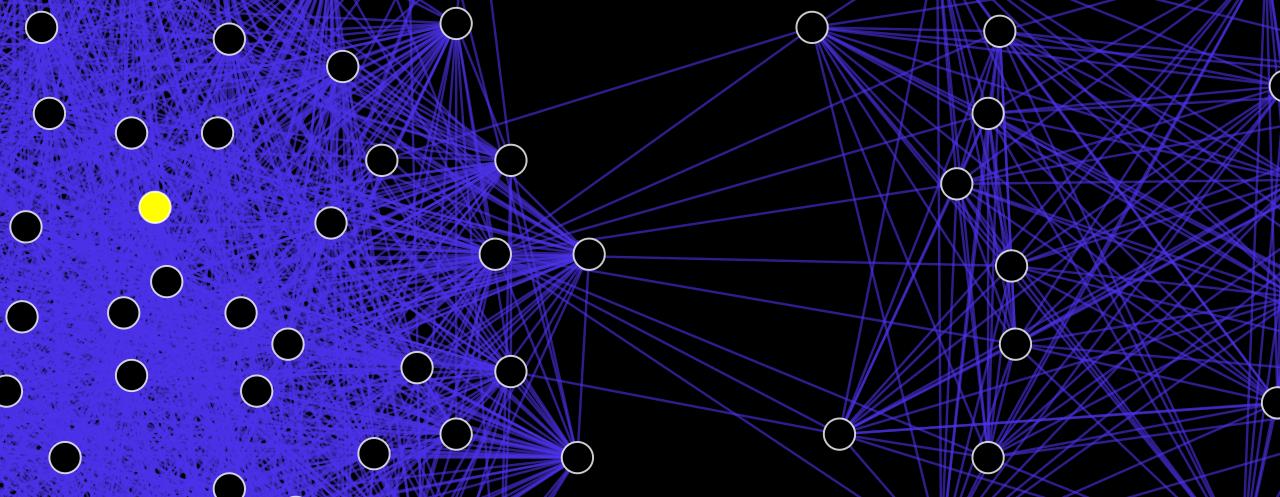
Online trading communities made it easier to exchange chart ideas, compare broker experiences and discuss economic events. A typical workflow was manual: read a post, check whether the setup remained relevant and decide whether to place an order. Delays and ambiguity were obvious because the reader performed each step.
This model had important limitations. A published winning trade could be selected after the event, while losing ideas disappeared into an old discussion thread.
Readers could not easily verify account ownership, position sizing or the full trading history. A persuasive explanation and a convincing chart were never substitutes for an auditable record.
The useful lesson remains current: social proof is a separate signal from financial suitability. A popular commentator might communicate clearly while taking risks inappropriate for a beginner. A community can support learning and challenge assumptions, but agreement among followers does not establish that a trade is sound.
When sharing ideas became copying trades
The eToro company timeline records its founding in 2007, WebTrader in 2009 and OpenBook with social investing and CopyTrader in 2010. These are company-reported milestones from one prominent provider, not proof that it invented every aspect of social trading or represented the whole industry.
Combining profiles, discussions and execution reduced the number of separate tools a user needed. Instead of reading an idea in one place and placing an order elsewhere, a subscriber could follow an account inside an integrated service. That reduced friction also made the design of default settings more consequential.
A profile’s return figure became a powerful shortcut. Yet the figure still needed context: deposits, withdrawals, open losses, leverage, observation period and transaction costs. Comparing two traders without comparable definitions could reward the one who took more hidden risk rather than the one with a more resilient process.
The evolution of social trading includes automation tools
Social platforms developed alongside programmable retail trading terminals. MetaQuotes’ company history dates the launch of MetaTrader 4 to 2005 and MetaTrader 5 to 2010.
Its account describes tools for developing and testing automated strategies. This is a related technology timeline, not a claim that expert advisers and social copying are identical.
An expert adviser follows programmed instructions. A copying service translates a provider’s activity into follower orders. The provider may trade manually, use an algorithm or combine both approaches. Understanding that distinction matters because selecting a successful profile does not tell you how its decisions are generated.
Automation removed some manual entry work but introduced other dependencies: terminals, subscriptions, permissions and connection reliability. It also made consistency of position sizing more important. A trade copied too large can be financially unsuitable even if its timing and direction match the provider perfectly.
The practical change was from evaluating isolated tips to evaluating an operating process. Subscribers needed to consider how instructions were delivered, what happened during outages and whether stopping a subscription also affected existing positions. These remain essential questions in today’s services.

Mobile access and the integrated platform era
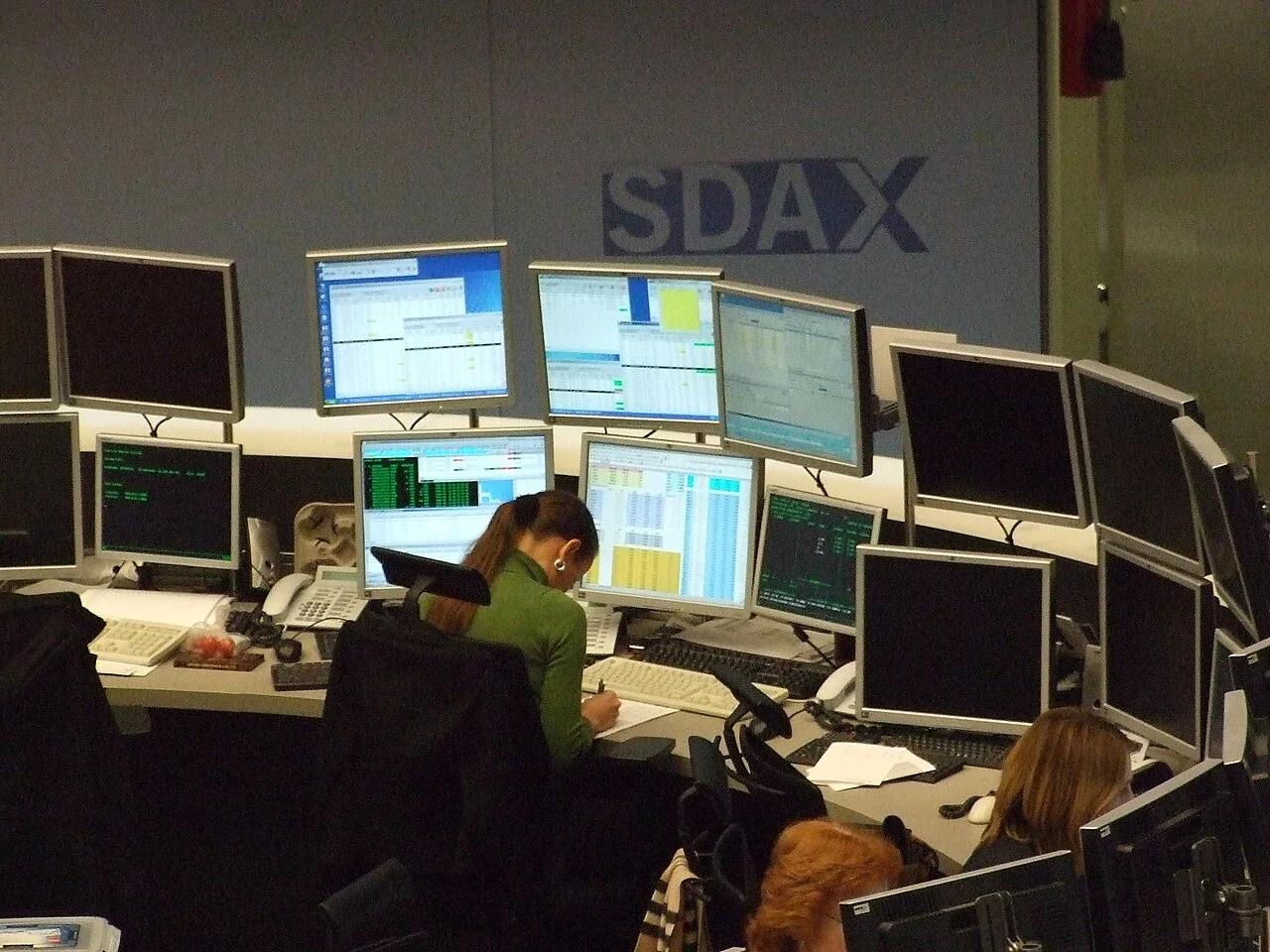
Mobile trading did not begin in 2015. MetaQuotes describes mobile applications in 2003, while eToro dates its mobile app to 2012. The 2015–2020 period is better understood as part of the expansion of mobile-centred experiences, rather than a defensible universal starting date for trading on phones.
In 2015, eToro says it combined its social and trading features into one platform. An integrated mobile experience made it easier to check positions, read updates and change subscriptions without sitting at a dedicated desk. It also placed account decisions in the same environment as notifications and rapid social interaction.
Convenience can help users notice an account problem sooner. It can also encourage reactive decisions: increasing exposure after a celebratory post, switching providers after one loss or treating a ranking as entertainment. These are possible design-related behaviours, not measured claims about all mobile users or any particular app.
One lesson from the evolution of social trading is to separate checking an account from changing its risk. Set a review schedule and clear selection rules. Use notifications to stay informed, then make allocation decisions deliberately rather than reacting to every post.
Look for the full performance picture
As copying became easier, readable performance information became more important. A useful profile should show the observation period and explain how returns and drawdowns are calculated. Followers also need to understand whether the displayed history includes open positions, costs, account resets and changes to the provider’s strategy.
Transparency extends beyond a chart. Explain compensation, potential conflicts and what “verified” actually means. Verification might establish account linkage without establishing skill, suitable risk or future returns. A badge should have a precise definition; otherwise, users can give it more meaning than the evidence supports.


AI tools and rules in the 2020s
AI can assist with summarising information, classifying activity or improving interfaces. It does not remove market uncertainty or establish that a copied strategy is profitable. A vendor should identify the actual function of its AI tool and explain its limitations rather than using the label as a substitute for evidence.
Regulatory attention also concerns the service being provided, not simply its branding. The ESMA supervisory briefing on copy trading, published in 2023, examines relevant investment-service obligations in the European framework. Its scope should not be stretched into a claim about identical requirements worldwide.
For users, the practical checks are jurisdiction-specific. Identify the legal entity, the applicable service terms, who may give instructions and which protections apply to the account. A global brand name alone does not establish that every customer receives the same product, compensation arrangements or regulatory safeguards.
What history teaches when comparing platforms today
The social trading platforms technology stack now combines community features with permission controls, signal distribution and account-state management. Evaluate both layers. A good discussion feed cannot compensate for unclear order handling, and dependable software cannot make a reckless provider suitable for your objectives.
The next check is operational: understand data flow and execution speed in copy trading. A follower’s costs and fills can differ from the provider’s. Ask how a service communicates rejected instructions, account mismatches and subscription changes rather than assuming automation makes those differences disappear.
A simple comparison worksheet can preserve these lessons. Record the entity, service model, performance definitions, allocation settings, costs and recovery process. Then test the controls on demo where available. Use the same questions for an established brand and a new entrant, instead of equating age or novelty with quality.
Apply the lessons to a hypothetical provider switch
Imagine a subscriber attracted by a provider’s recent climb in a monthly ranking. Check the full record, open losses, leverage and changes in strategy before reallocating.
Then establish what stopping the existing subscription does to open positions. Confirm the new provider’s instruments and allocation settings fit the account. Verify these behaviours in the terms rather than assuming them.
Frequently asked questions
Is social trading the same as copy trading?
Social trading includes sharing analysis and discussing markets. Copy trading adds a service that turns a provider’s activity into follower instructions. A platform can offer either or both.
When did modern copy trading begin?
There is no single industry-wide starting date. eToro reports OpenBook and CopyTrader launching in 2010, with earlier communities and signal services forming part of the background.
Will AI replace the need to assess a provider?
No. Find out what the AI feature actually does and what evidence supports it. Costs, exposure, provider incentives and account permissions still need checking.
Compare the process, not just the profile
Use the evolution of social trading as a checklist for today’s choices: readable records, clear allocation controls and an understandable recovery process. Judge a service by how well you can explain its costs and risks, as well as how easy it feels to use.
Disclaimer
Educational information, not personal investment advice. Leveraged trading can cause substantial losses. Product availability, provider rules and costs vary by jurisdiction and can change. No affiliate links are used, and no returns or rankings are guaranteed.