
Futures automation
Best Bot for Trading Futures: A Clear Testing Guide
The best bot for trading futures should be something you can understand, test and control. This guide compares NinjaTrader and Sierra Chart as frameworks for exchange-traded futures automation. Their tools do not establish a profitable strategy, and no live performance benchmark was performed.
Quick answer
For visual strategy development, start your comparison with NinjaTrader Strategy Builder. Sierra Chart ACSIL is a candidate for advanced custom coding. Both need a strategy and testing; neither is verified here as a profitable ready-made bot.
| Framework | Potential fit |
|---|---|
| NinjaTrader Strategy Builder | Visual strategy development. |
| Sierra Chart ACSIL | Advanced custom automation. |
- Check contract values, sessions, costs and rollover handling.
- Test partial fills, rejected orders and restarts in simulation.
- Be cautious with guaranteed returns or hidden exposure.
On this page
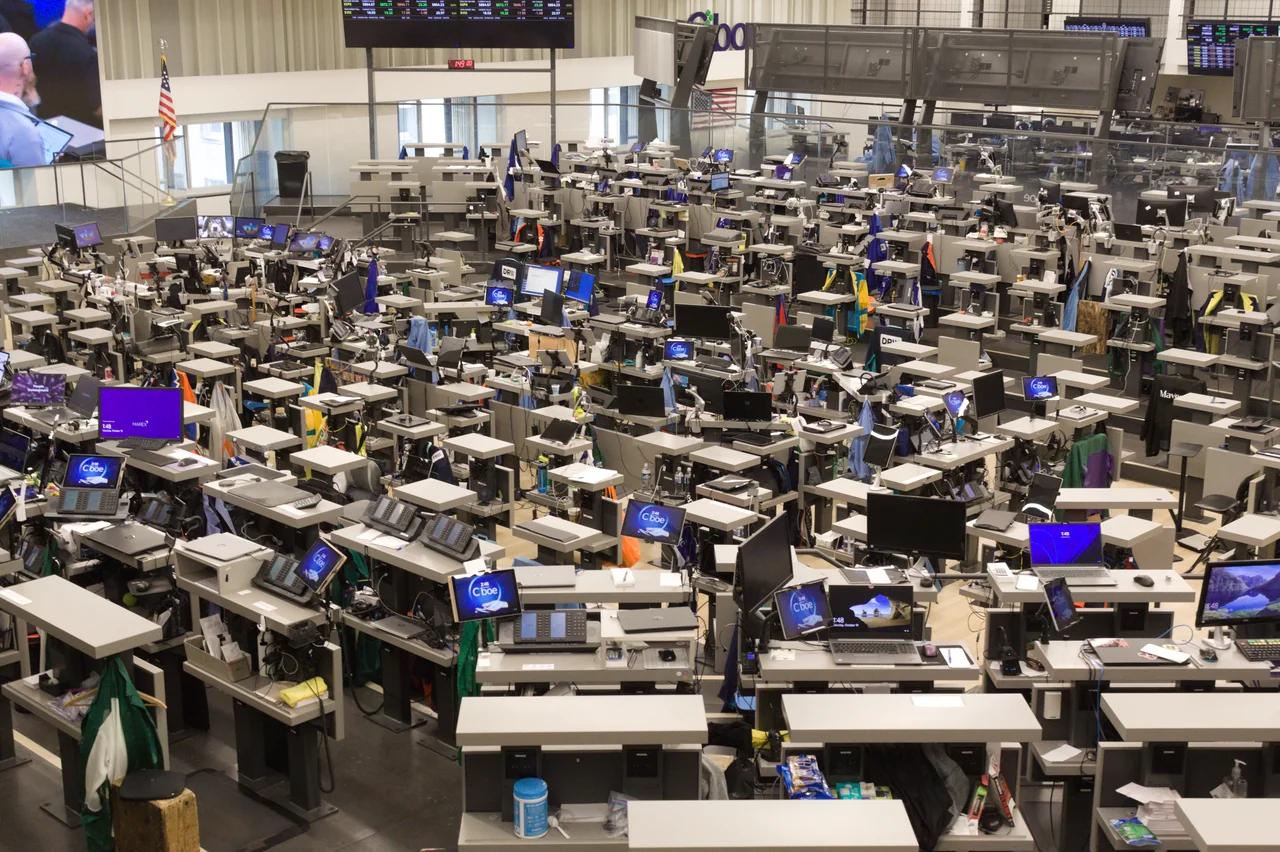

How to select the best bot for trading futures
A futures system needs a defined contract, session and sizing rule. Check the exchange specification for tick size, tick value, expiry and trading hours through your broker’s supported information. Smaller contract variants can have different cash exposure. Never assume two symbols with similar names create the same financial risk.
The strategy should explain when it enters, how it exits and how much exposure it may create. You need a policy for working orders, partial fills, rejected instructions and restarts. If a vendor cannot explain those behaviours, a historical return figure cannot compensate for the missing operational detail.
Then inspect the evidence. A report should identify the strategy version, data period, contract handling, commissions, slippage assumptions and drawdown definition. Ask whether results are hypothetical, simulated forward observations or verified live records. These categories should remain separate rather than being blended into one marketing chart.
Conditional top pick: NinjaTrader Strategy Builder
The official NinjaTrader Strategy Builder guide describes generating NinjaScript-based strategies and points users towards strategy development and Strategy Analyzer backtesting. It is a practical starting framework for traders who want to express conditions and actions without beginning every component from a blank code file.
When assessing the best bot for trading futures, understandable rules are a useful starting point. With a visual builder, compare the generated actions with your written plan. You still need to understand orders, exposure and strategy logic; the development tool does not validate the idea.
The limitation is substantial: building a strategy does not validate it. A beginner can automate a weak idea just as easily as a useful one.
Historical testing, careful parameter selection and forward observation remain necessary. Confirm current platform access, broker compatibility, data requirements and costs before treating the framework as a complete trading setup.
A reasonable first exercise is a single-instrument strategy with one entry condition and one clearly specified exit. Disable unnecessary features and test it in simulation. Check that quantity, direction and order state match the written plan before adding more conditions. This exercise assesses implementation, not profitability.
Advanced runner-up: Sierra Chart ACSIL
Sierra Chart’s ACSIL automated trading documentation describes facilities for custom trading systems and order management. It is a conditional candidate for users with the programming capability to work with a detailed interface and inspect the behaviour of their strategy and execution code.
The advantage is control over implementation. A developer can make position sizing, state handling and operational safeguards explicit rather than depending entirely on an opaque package. The corresponding responsibility is maintenance: code changes, data assumptions and integration behaviour all require review. Greater flexibility does not automatically mean greater reliability.
It is not the easiest route for someone who wants to install a prebuilt robot and avoid technical work. If you cannot assess the code yourself, you need a competent developer and a clear specification. Keep ownership, update responsibilities and access permissions documented before granting any third party trading authority.
Read the backtest properly
At minimum, record the contract or continuous-series method, data resolution, date range, session template and transaction-cost assumptions. Futures expire, so historical research needs an explicit rollover treatment. A continuous chart convenient for analysis should not be assumed to reproduce an executable history without adjustment or contract-specific checks.
Separate development data from genuinely unseen evaluation data. If you repeatedly tune parameters after looking at the supposed holdout period, it is no longer an independent test. Retain rejected versions and parameter trials so the final result is not presented as though it was the only idea considered.
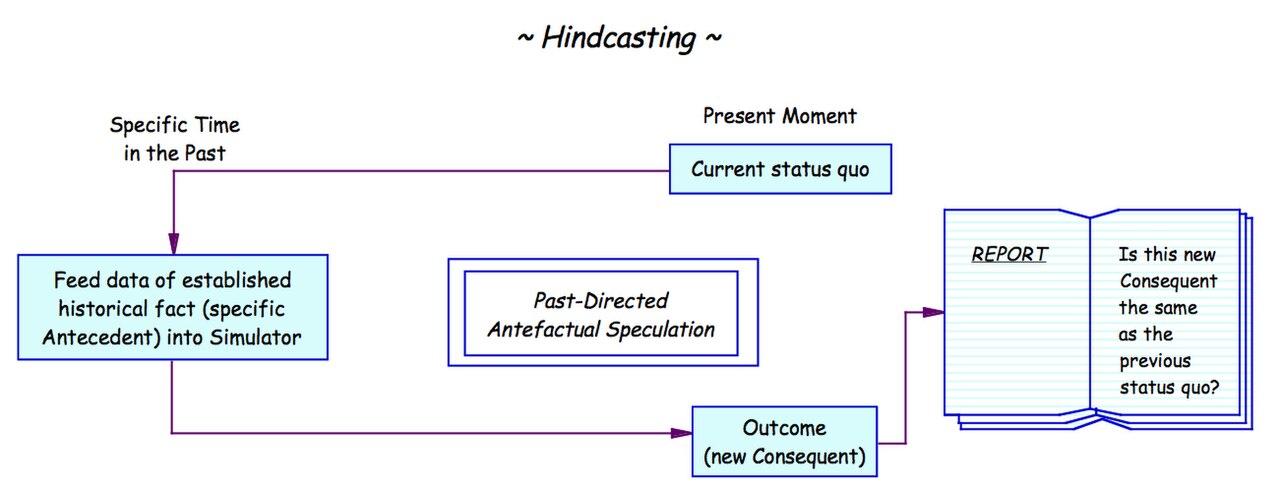

Report equity drawdown, largest exposure, losing sequences and sensitivity to higher costs. A hypothetical strategy earning US$15 per trade before costs would be vulnerable if realistic commissions and slippage consumed most of that amount.
This example is arithmetic for evaluation, not a claim about a real futures contract or trading system.
A strong report also shows concentration. If one contract, one week or a few exceptional trades account for most of the result, the headline average deserves scrutiny. Test whether nearby parameters and different market conditions preserve the basic behaviour without assuming that robustness can ever guarantee future profitability.
Bots and sales practices to avoid
The CFTC advisory on AI trading bots warns about misleading claims involving automated technology. Be cautious with guaranteed returns, secret predictive capabilities and pressure to pay immediately. The presence of AI or sophisticated terminology does not establish that a strategy has an economic advantage.
Other warning signs include missing drawdown data, results that exclude open losses, unexplained account resets and a refusal to describe maximum exposure. Screenshots without a defined period or account context are weak evidence. A seller’s willingness to discuss losing conditions is more informative than a collection of selected winning trades.
Check permissions separately from performance claims. Never provide withdrawal authority, unrestricted remote access or private credentials merely to obtain a demonstration. Use verified distribution channels and understand software updates. A technically legitimate platform can still host an unsuitable third-party strategy, so assess each layer on its own merits.

Risk management for automated futures
Margin is not a maximum-loss figure. Intraday allowances can change, and overnight requirements may differ. Understand the broker’s liquidation policy and keep a separate internal risk boundary. A stop order can also execute worse than intended in a fast or discontinuous market, so planned loss and realised loss can differ.
Define limits for aggregate exposure, repeated entries and daily activity. A strategy should not accidentally stack new orders after a restart or interpret every data update as a fresh signal. Test rejection and cancellation handling, then verify that an emergency stop function does exactly what its label says.
Keep expiry and rollover explicit. Decide when the system stops trading the expiring contract, how new symbols are configured and what happens to existing positions and orders. Do not leave that decision to an undocumented naming convention or assume the broker automatically performs the action your strategy expects.
Test one step at a time
Begin with one contract family and the smallest useful implementation. Reconcile every instruction with the expected rule, including skipped trades and cancellations. Then introduce disconnects, a restart and a rejected-order scenario in simulation. Preserve the logs and record which settings produced each result.
Our auto trading guide explains historical versus forward testing and curve-fitting risks. If you also use evaluation programmes, review common mistakes in funded trading accounts, then read your actual futures programme’s terms. Forex-oriented examples do not substitute for contract-specific or programme-specific rules.
Log operational incidents separately from returns. Correct unexplained orders, sizes or stale data, then repeat the relevant simulation before resuming.
Frequently asked questions
Is there one best profitable futures bot?
No universal winner is established here. NinjaTrader Strategy Builder and Sierra Chart ACSIL are frameworks, not verified profit products. Any strategy still needs testing and operational controls.
Is intraday futures margin the amount I can lose?
No. Margin is an account requirement, not a loss cap. Movement, gaps and liquidation can produce different losses from those planned. Size from contract values and cash risk.
What should I demand from a bot backtest report?
Ask for the strategy version, data, contract handling, costs, sizing and equity drawdown. Separate hypothetical results from live records, and check how settings were selected.
Test the strategy and the setup
Choose the best bot for trading futures through a process you can audit: a supported framework, clear rules, realistic assumptions and simulation checks. Test recovery as well as entries, and judge the remaining risks against your circumstances before any live step.
Disclaimer
Educational information, not personal investment advice. Leveraged trading can cause substantial losses. Product availability, provider rules and costs vary by jurisdiction and can change. No affiliate links are used, and no returns or rankings are guaranteed.