
Risk management
Common Mistakes in Funded Trading Accounts: Practical Fixes
Common mistakes in funded trading accounts often start with oversized trades, unclear loss rules or an unreliable setup. This guide helps you check the account, plan your risk and avoid preventable errors. Many programmes use simulated accounts, so read the actual agreement.
Quick answer
Start with the loss rules, then size every trade from the loss allowance you have left. Check news restrictions and combined exposure before placing an order, and make sure only the intended software can send trades.
| Mistake | Better check |
|---|---|
| Oversizing a trade | Size from the loss allowance left. |
| Misreading loss rules | Check equity, charges and reset time. |
| Restricted news | Read the programme’s event policy. |
| Duplicate automation | Confirm the intended order-sending setup. |
- Confirm the account type, daily limit and reset time.
- Include open positions, charges and possible execution differences.
- Use a personal stop-trading threshold inside the programme’s boundary.
On this page
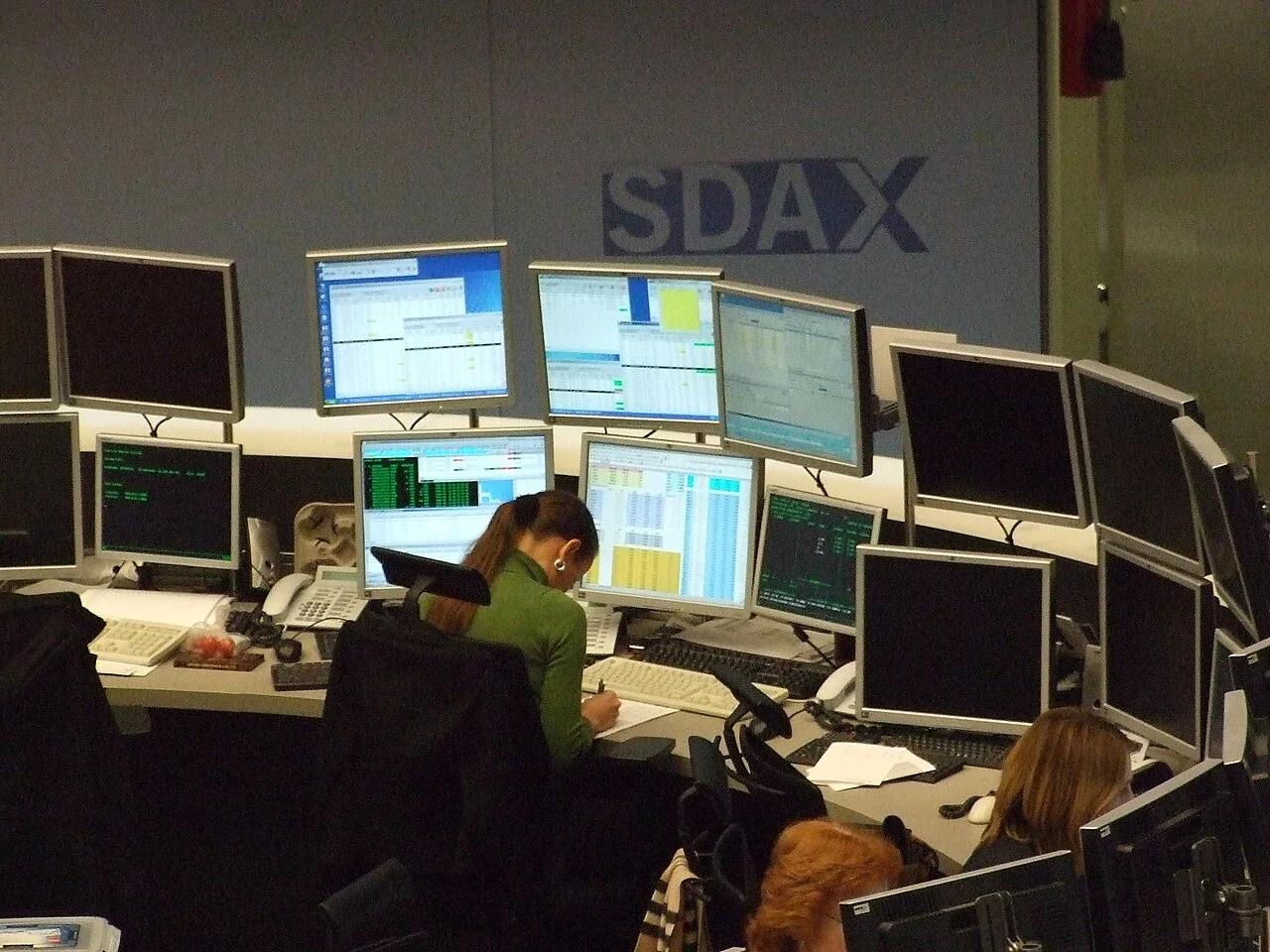

Overleveraging reduces your room to recover
Available leverage describes exposure capacity, not a sensible position size. A large permitted position can consume the remaining loss allowance after a small adverse move. Before entering, calculate the distance to your stop, the value of that movement, existing correlated exposure and a buffer for trading costs.
Base the next trade on the loss allowance you have left, rather than the account’s headline balance. Leave room for charges, changing spreads and a worse-than-planned exit. A stop order helps manage the trade, but gaps and execution conditions can still change the final loss.
Ignoring drawdown and daily loss definitions
Balance reflects closed trades and account adjustments; equity also includes open positions. A drawdown rule limits how far the account can fall from its chosen reference. Providers may monitor equity continuously, use a daily snapshot or set a moving threshold. Check the exact calculation.
Read the exact product rules. FTMO’s trading objectives illustrate why a familiar firm name is insufficient: its product structures have different loss calculations and conditions. Do not carry a remembered percentage from an older challenge, another phase or a different account into today’s decision.
Write down the reset time and its time zone. Then check how daylight-saving changes affect the local trading day. An overnight position may cross a reset while its floating loss remains open. A threshold that looked comfortable before midnight can have a different relationship to the position afterward.
Separate three numbers in your journal: the provider’s contractual boundary, your internal stop-trading threshold and the remaining capacity for new orders. The internal threshold should leave room for costs and operational uncertainty. Recalculate it after closing trades, changing exposure or receiving an account adjustment; yesterday’s worksheet is not today’s permission.
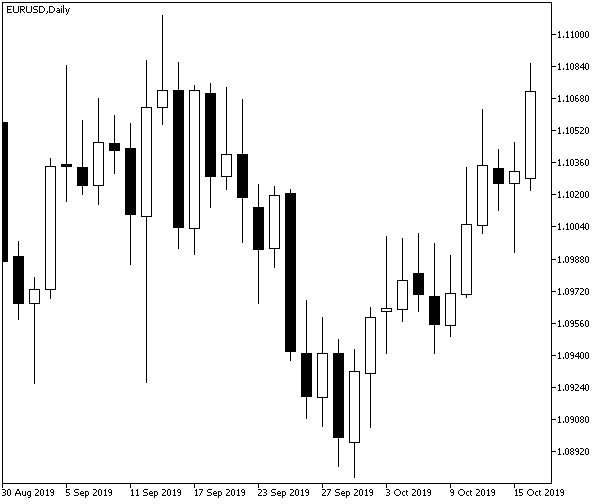

Overtrading around news events
A scheduled announcement changes more than direction. Spreads can widen, prices can jump between available quotes and execution may become less predictable. A strategy that normally exits within a narrow range can behave differently when several participants try to change positions simultaneously.
There may also be contractual restrictions. FTMO’s news-trading explanation distinguishes affected instruments, restricted execution windows and account exceptions. That is a provider-specific example, not a universal rule for all funded programmes. Check the current document for your exact account before placing or modifying an order.
Build a calendar routine that includes pending orders and automated exits. Decide whether orders must be cancelled, positions reduced or trading suspended before the event. Allow time to verify the platform’s clock. An event filter that watches the wrong time zone can create false confidence while the actual restriction approaches.
Match the strategy to the account rules
A strategy can be workable in one environment and unsuitable for another. Holding periods, permitted instruments, overnight policies, consistency conditions and concentration limits may conflict with its design. Evaluate that compatibility before buying an assessment rather than trying to repair the mismatch under pressure.
For example, a hypothetical strategy that waits several days for a reversal may need a different exposure plan from an intraday system.
If the programme’s trailing limit tightens after closed gains, banking a partial profit can change the remaining room for an open position. Test the actual rule interaction, not just the entry pattern.
Adaptation should mean a documented revision followed by evaluation. It should not mean changing indicators, trade duration and risk after every loss.
Record which rule motivated the change, the expected effect and the evidence needed to retain it. Otherwise, adapting becomes a convenient name for abandoning a plan during a difficult session.
Do not trade just to win losses back
A daily allowance is a boundary, not an amount that must be spent. Traders can unintentionally treat unused capacity as an invitation to recover losses. The resulting increase in size often arrives when attention and decision quality are already deteriorating.
Use process-based stopping conditions alongside monetary limits. Examples include a maximum number of planned entries, a required pause after an execution mistake, or a ban on increasing risk to recover a loss. These are operating choices for your plan, not guarantees that a strategy will become profitable.
One way to avoid common mistakes in funded trading accounts is to write down your next permitted action before the session. After a loss, check the plan. If you mainly want to win the money back, pause. Your journal should explain the setup and risk, not just the feeling.
Check your trading setup
A reliable setup includes the terminal, connection, account permissions and any automation that can send orders. Check the account number, symbol names, position mode and enabled strategies. Accidental duplication between a laptop and a hosted terminal can create exposure that neither instance has budgeted correctly.
MetaTrader’s virtual-hosting documentation describes infrastructure intended to keep supported trading functions running. Hosting can reduce dependence on a local computer staying online, but it does not remove broker outages, strategy errors or provider restrictions. Confirm what was migrated, what remains active and how you will stop it.
Compare best platforms for day trading by their order controls and recovery workflow. If a strategy is automated, the auto trading guide explains additional testing questions. Platform selection should follow the required process rather than a claim that one interface always executes faster.

Rehearse failure before the next session
Run a small, clearly documented rehearsal on a permitted demo or trial environment. Test a rejected order, a disconnection, a platform restart and an unexpected open position. Establish how you will distinguish an instruction that was never received from one that was received but whose confirmation has not arrived.
Keep a recovery sheet outside the trading application. Include the correct support route, the account identifier, permitted emergency actions and a way to record timestamps. Avoid storing sensitive credentials in a shared document. The aim is to recover control without creating additional unplanned orders while several screens disagree.
Check the contract as well as the trading rules
An evaluation fee, a displayed account balance and an available loss allowance describe different things. Before purchasing, identify what you pay, whether the environment is simulated and what conditions apply to any reward.
Keep a dated copy of the terms for the specific product and phase rather than relying on a social-media summary.
Check inactivity rules, permitted instruments, holding restrictions and the process for disputing an apparent breach. Know which records you would need to explain an incident, including platform history, timestamps and the relevant rule version. Avoid posting account credentials when seeking help.
Frequently asked questions
Is a funded trading account always a live account?
Not always. Some retail prop programmes use simulated accounts and contractual rewards. Check the legal entity, account phase and agreement before assuming you control a live brokerage account.
Should I risk the full daily loss allowance?
Treat the provider’s limit as an outer boundary. Set your own smaller stopping point so commissions, changing spreads and execution differences have room to occur.
Can an otherwise profitable trade break a rule?
Yes. A trade can finish profitably after breaking a loss, timing or exposure rule earlier in its life. The later recovery may not undo the breach.
Common mistakes in funded trading accounts: your final checklist
Before the next session, confirm the programme and phase, the current loss calculations, the reset clock and the event calendar. Then calculate combined exposure, choose an internal stopping threshold and verify that only the intended terminals can send orders. Record those checks before looking for an entry.
After trading, compare your positions, costs and remaining allowance with the plan. Save any exceptions before the next session. Use this routine to avoid common mistakes in funded trading accounts; it cannot guarantee a successful evaluation.
Disclaimer
Educational information, not personal investment advice. Leveraged trading can cause substantial losses. Product availability, provider rules and costs vary by jurisdiction and can change. No affiliate links are used, and no returns or rankings are guaranteed.